We’re upgrading your experience. Visit our new website here
Scroll
Notification

Will you allow One IBC to send you notifications?

We will only notify the newest and revelant news to you.

Step 1
Preparation

Preparation

Request free company name search We check the eligibility of the name, and make suggestion if neccessry.

Step 2
Your Company Details

Your Company Details

  • Register or login and fill in the company names and director/ shareholder(s).
  • Fill in shipping, company address or special request (if any).
Step 3
Payment for Your Favorite Company

Payment for Your Favorite Company

Choose your payment method (We accept payment by Credit/Debit Card, PayPal or Wire Transfer).

Step 4
Send the Company Kit to Your Address

Send the Company Kit to Your Address

  • You will receive soft copies of necessary documents including: Certificate of Incorporation, Business Registration, Memorandum and Articles of Association, etc. Then, your new company in a jurisdiction is ready to do business!
  • You can bring the documents in company kit to open corporate bank account or we can help you with our long experience of Banking support service.

Company Formation Services Fees

From

US$ 571 Company Formation Services Fees
  • 100% successful rate
  • Fast, easy & highest confidential via secured systems
  • Dedicated support (24/7)
  • Just Order, We Do All For You
  • Offer set up over 25 jurisdictions
FAQs

FAQs

1. Is it easy to start a business in Switzerland?

Switzerland offers a business-friendly environment with low bureaucracy, high legal certainty, and investor-focused tax structures. Whether you're forming a local company or an international holding entity, the process is straightforward with the right professional guidance.

Key Reasons Why It’s Easy to Start a Business in Switzerland:

1. Open to Foreign Ownership

Switzerland does not impose restrictions on foreign nationals or companies registering a Swiss entity. 

2. Efficient Registration Process

  • Company incorporation typically takes 5–10 business days
  • Common structures include the GmbH (SARL) and AG (SA)
  • Requires a registered office and at least one resident director in Switzerland (in many cantons)

3. Favorable Tax Environment

  • Switzerland offers competitive corporate tax rates, which vary by canton (as low as 11.5%)
  • Attractive tax regimes for holding companies, IP-intensive businesses, and trading firms
  • No capital gains tax on qualifying shares (in many cases)

4. Strong Financial and Legal Infrastructure

The country’s global banking system, multilingual workforce, and international reputation for legal stability support long-term business growth.

5. Access to Global Markets

Switzerland’s central location, along with its trade agreements with the EU and EFTA, provides seamless access to European and global markets.

At Offshore Company Corp, we assist entrepreneurs, consultants, and multinational groups in setting up Swiss companies with full compliance. From legal structuring to bank account opening, our experts streamline every step of the process.

2. Is Vietnam a good place to start a business?

Yes, Vietnam is a good place to start a business, especially for foreign investors seeking to benefit from Southeast Asia’s ongoing economic growth. With its economic dynamism, central location, cost-effective and vibrant workforce combined with favourable government policies, the ROI potential is enormous to both Entrepreneurs and MNCs. Why Vietnam is a suitable location as per the key factors to be noticed is succinctly listed as under:

  • Strong Economic Growth: Consistent GDP growth averaging 6-7% annually.
  • Strategic Location: Gateway to ASEAN markets and close proximity to China.
  • Young and Skilled Workforce: Over 60% of the population is under 35, with competitive labor costs.
  • Favorable Government Policies: Incentives include tax breaks and the allowance of 100% foreign ownership in most sectors; some industries may still require additional approvals or local partnerships.
  • Booming Industry Sectors: Significant opportunities in manufacturing, IT, renewable energy, agriculture, and e-commerce.

Vietnam presents immense potential for international entrepreneurs and investors, provided that market entry is well planned, regulatory compliance is respected, and local business culture is understood.


For investors seeking to set up a company in Vietnam smoothly, professional support can make all the difference. Offshore Company Services offers end-to-end assistance in business registration, licensing, and compliance, helping you establish a strong foothold in Vietnam’s fast-growing economy.

Learn more: Starting a Business in Vietnam as a Foreigner

3. What are the challenges of doing business in Vietnam?

Vietnam is increasingly seen as a dynamic and attractive destination for foreign investment. Its strategic location, robust GDP growth, and youthful labor force make it a promising market for a wide range of industries. However, like any emerging economy, doing business in Vietnam requires navigating certain structural and regulatory complexities.

Below are the primary considerations investors and corporate service providers should take into account:

1. Evolving Regulatory Environment

Vietnam’s legal and business framework is undergoing rapid development. While reforms are underway, investors may encounter:

  • Shifting laws and regulations that require regular monitoring.
  • Licensing and business registration procedures that can be time-consuming.
  • A need to engage closely with local authorities and advisors to ensure compliance.
  • Enforcement of intellectual property rights remains a concern, particularly in sectors like technology, fashion, and consumer goods.

This evolving landscape offers long-term potential but demands a proactive and flexible approach from businesses.

2. Foreign Investment Restrictions in Specific Sectors

Vietnam has made significant strides in opening its markets. However:

  • Certain industries, such as media, telecoms, or defense-related services, still impose limits on foreign equity.
  • Real estate ownership by foreigners is restricted to long-term leasing rights.

Proper legal structuring and local partnerships can help foreign firms navigate these restrictions efficiently.

3. Infrastructure Development in Progress

Vietnam continues to invest in infrastructure, but gaps remain:

  • Logistics can be impacted by congestion in major cities and limited rail connectivity.
  • Port and airport capacity is expanding but still faces growing demand.
  • Power stability and internet speed are improving but may vary in rural or industrial zones.

4. Cultural and Language Differences

Cultural awareness is key to successful business relationships in Vietnam:

  • English is spoken widely in major cities but less so in provincial areas.
  • Decision-making tends to be hierarchical and relationship-driven.
  • Building trust and long-term rapport is essential for local success.

Although there are indeed challenges in Vietnam related mainly to changing regulations, administrative processes and market maturity, the right strategy and local know-how help deal with localized issues. Partnering with experienced corporate service providers can help investors navigate Vietnam’s evolving landscape effectively.

=> Full Information: Starting a Business in Vietnam as a Foreigner

4. How to check a Gibraltar company?

Verifying a company's legal presence in Gibraltar is an important step when entering into business relationships or conducting compliance checks. Gibraltar offers a reliable and centralized registry system that allows individuals and businesses to search for registered entities.

1. Use the Gibraltar Companies House Portal

The Gibraltar Companies House is the official registry that maintains records of all companies incorporated in Gibraltar. To check a Gibraltar company:

  • Visit the official website: https://www.companieshouse.gi
  • Click on "Company Search"
  • Enter the company name or registration number
  • View public details such as:
    • Company status (active, dissolved, in liquidation)
    • Date of incorporation
    • Registered office address
    • Company type (e.g., Private Company Limited by Shares)
    • Filing history and annual returns (available for a fee or registered users)

2. Request a Company Search Report

For more detailed information, such as shareholder names or financials, you can order:

  • A Certified Company Search Report
  • Certificate of Good Standing
  • Copy of incorporation documents

These services may require a fee and are usually delivered electronically or via secure email.

3. Third-Party Verification Services

If you need enhanced due diligence (e.g., for compliance or AML purposes), consider using platforms like:

  • Orbis / Bureau van Dijk
  • Dun & Bradstreet
  • LexisNexis
  • Offshore Company Corp (for service-assisted lookups

Offshore Company Services can streamline the verification process by assisting with official searches, certified reports, and due diligence checks, helping businesses and investors ensure that Gibraltar-based entities are legally compliant and accurately represented.

Learn more: Setting Up a Company in Gibraltar

5. How do I find company information in Gibraltar?

Finding reliable company information in Gibraltar is a straightforward process thanks to its centralized and government-regulated registry. The Gibraltar Companies House provides public access to essential details about all companies registered under the jurisdiction.

To find company information in Gibraltar, follow these steps:

1. Visit the Gibraltar Companies House Website

Go to the official registry portal: www.companieshouse.gi. This is the primary source of verified company data in Gibraltar.

2. Use the Company Search Tool

  • Click on “Company Search”
  • Enter the company name or registration number
  • View public details such as:
    • Company status (active, dissolved, struck off)
    • Incorporation date
    • Registered office address
    • Company type (e.g., Private Limited Company)

3. Order Official Documents (If Needed)

For deeper verification, you can request:

  • Certificate of Incorporation
  • Certificate of Good Standing
  • Annual returns and filing history
  • Shareholder or director data (in some cases)

These documents may incur a small fee and are available electronically. Certified documents are usually delivered within 1–3 business days, depending on the request and method of delivery.

4. Use Professional Service Providers

If you're conducting due diligence or international business checks, you can also access company information in Gibraltar through specialised service providers like Offshore Company Services, which can retrieve official records, translate filings, and help interpret local legal structures.

Learn more: Setting Up a Company in Gibraltar

6. What business can I do in the Netherlands?

The Netherlands offers a strategic and innovation-driven environment for global entrepreneurs. As a founding EU member with access to over 450 million consumers, a robust legal framework, and world-class infrastructure, it is an ideal base for a wide range of international business models. Key business sectors open to foreign investors:

1. Holding and Investment Structures

The Netherlands is a global leader in holding company setups, thanks to its participation exemption regime, strong IP protection laws, and double tax treaty network. It's ideal for multinational groups managing dividends, royalties, and capital gains.

2. International Trading and Logistics

With access to the Port of Rotterdam and Schiphol Airport, the country is a gateway to the EU. Businesses in import/export, supply chain management, and global distribution thrive under its efficient customs and VAT system.

3. Fintech and Digital Services

Amsterdam is emerging as a European fintech hub. Opportunities include digital banking, blockchain solutions, payment platforms, and SaaS. The regulatory environment is innovation-friendly and transparent.

4. E-commerce and Online Business

Whether B2B or B2C, setting up an e-commerce company in the Netherlands gives you access to an affluent, tech-savvy population and cross-border digital commerce frameworks.

5. Renewable Energy and Clean Technology

With strong government incentives, foreign investors can engage in wind, solar, hydrogen, and circular economy technologies, aligned with the EU Green Deal.

6. R&D and High-Tech Manufacturing

From AI and semiconductors to biotech and life sciences, the Netherlands supports innovation through tax incentives like the Innovation Box regime and R&D wage tax credits.

At Offshore Company Corp, we assist entrepreneurs and corporate clients in setting up fully compliant Dutch entities. Whether you're forming a BV (Besloten Vennootschap), establishing a holding, or launching a tech startup, our team handles incorporation, substance planning, tax structuring, and bank account opening.

7. What are the franchise business in the Netherlands?

The Netherlands offers a mature and well-regulated environment for franchise businesses, making it a highly attractive destination for both domestic and international franchisors and franchisees. With a strong consumer market, a central location in Europe, and a culture that embraces entrepreneurship, the country supports a diverse range of franchising opportunities.

Since 2021, franchising in the Netherlands has been governed by the Franchise Act, which establishes clear rules to protect franchisees and ensure balanced relationships. This legal framework is mandatory for all franchise agreements involving Dutch franchisees.

Key Legal Requirements

  • Pre-contractual Disclosure: Franchisors must disclose essential information (financials, contract terms, obligations) at least four weeks before signing any agreement.
  • Balanced Franchise Relationship: The law regulates franchise dynamics, enforcing good faith, mutual consultation, and limits on unilateral changes to agreements.
  • Goodwill & Non-Compete Clauses: Agreements must define how goodwill is handled upon termination. Any non-compete clause must be reasonable in duration and scope.
  • Standard Contractual Practices: Franchise contracts must be transparent and subject to mutual agreement for significant changes.

Key Sectors for Franchising in the Netherlands

1. Food & Beverage (F&B)

The F&B sector is the most dominant in Dutch franchising. Popular franchise formats include:

  • Quick-service restaurants (QSRs) like McDonald’s, Subway, Domino’s Pizza
  • Coffee chains such as Starbucks and local café concepts
  • Fast-casual dining and bakery brands like Bakker Bart and Kwalitaria

2. Retail and Supermarkets

The Netherlands has a strong retail franchise culture, including:

  • Supermarket chains (e.g., SPAR, Albert Heijn franchise)
  • Fashion and lifestyle brands
  • Convenience stores and specialized retail outlets

3. Fitness and Wellness

Franchise opportunities in the wellness sector have grown rapidly, including:

  • Gyms such as Basic-Fit (also operating across Europe)
  • Personal training and boutique fitness studios
  • Beauty salons and health spa concepts

4. Education and Childcare

With a growing demand for early learning and international education, franchises in:

  • Language schools (e.g., English tutoring, test prep)
  • STEM education and after-school programs
  • Private childcare centers

5. Business Services and Consulting

Franchises in real estate, marketing, recruitment, and business consulting also operate in the B2B segment.

Offshore Company Corp assists investors in evaluating, registering, and structuring franchise businesses in the Netherlands. From legal incorporation to franchise agreements and tax optimization, we ensure a fully compliant and profitable entry into the Dutch franchise market.

Learn more: Franchise in the Netherlands - Discover the Best Opportunities

8. What Is Saint Lucia Best Known For?

In business, Saint Lucia is best known for the following:

1. International Business Companies (IBCs)

Saint Lucia offers a competitive and flexible legal framework for the incorporation of International Business Companies, which are used globally for trading, holding of assets, and investment structuring.

2. Attractive Tax Environment

Being a territorial tax system, Saint Lucia does not tax income which is earned outside of the country. This is particularly suitable for structuring international operations so they bear little or no local tax.

3. Confidentiality and Privacy

Saint Lucia corporate law offers high-grade protection in terms of privacy to shareholders and directors, hence being particularly attractive to investors who want to remain discreet.

4. Citizenship by Investment Program (CIP)

One of the most reputable in the Caribbean, the Saint Lucian CIP attracts high-net-worth individuals seeking a second citizenship in exchange for investment in approved local enterprises or government bonds.

5. Modern Legislation and Compliance

Saint Lucia operates business-friendly legislation compliant with international standards (OECD, FATF), which thus renders it more dependable when compared to many other jurisdictions.

6. Banking and Legal Infrastructures Provide Stability

With a common law system rooted in English law, and glancing at the island's political and economic stability, Saint Lucia can provide a secure base for international business.

Conclusion

Saint Lucia has always been seen as a strategic and trustworthy international business jurisdiction. Tax-efficient structures, strong legal protections, and investor-friendly policies create a very conducive environment to establish and grow global operations.

=> Read more: Saint Lucia Offshore Company Formation Services

Promotion

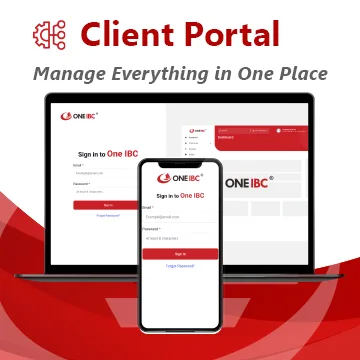
How to Use the Key Features on One IBC’s Client Portal?

Better services - better price 15% off on company formation fee

One IBC Club

One IBC Club

There are four rank levels of ONE IBC membership. Advance through three elite ranks when you meet qualifying criteria. Enjoy elevated rewards and experiences throughout your journey. Explore the benefits for all levels. Earn and redeem credit points for our services.

Earning points
Earn Credit Points on qualifying purchasing of services. You’ll earn credit Points for every eligible U.S. dollar spent.

Using points
Spend credit points directly for your invoice. 200 credit points = 1 USD.

Partnership & Intermediaries

Partnership & Intermediaries

Referral Program

  • Become our referer in 3 simple steps and earn up to 14% commission on every client you introduce to us.
  • More Refer, More Earning!

Partnership Program

We cover the market with an ever-growing network of business and professional partners that we actively support in terms of professional support, sales, and marketing.

Jurisdiction Update

About Us

We are always proud of being an experienced Financial and Corporate Services provider in the international market. We provide the best and most competitive value to you as valued customers to transform your goals into a solution with a clear action plan. Our Solution, Your Success.

WhatsApp